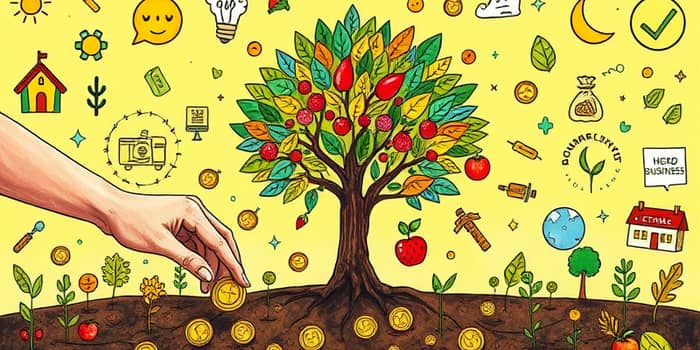
Many of us navigate our finances on autopilot, barely noticing the drip of everyday expenses until we wonder where the money went. We grab an extra coffee on the way to work, sign up for unused subscriptions, or chase fleeting trends that leave our bank accounts lighter and our spirits unchanged. This cycle of reactive buying powered by habit can erode both our sense of purpose and our long-term goals. It’s time to move beyond strict budgets and impulsive consumption.
Enter Intentional Spending: a finance philosophy that reframes money management as deliberate and ethically informed allocation of resources. Rather than tracking every cent with rigid rules, you choose each expenditure based on a deep understanding of its moral, social, and ecological impact—fostering individual growth and collective well-being.
Understanding Intentional Spending
Intentional Spending unfolds across layers of depth, each building on the last. At its core, it’s about slowing down automatic purchases and replacing them with conscious choices aligning purchases with values. You pause, reflect, and decide whether that extra latte truly adds lasting joy or simply feeds a fleeting craving.
At the intermediate level, this approach becomes a strategic tool for life design. It counters psychological triggers such as status anxiety and media-driven wants. You learn to support ethical businesses—Fair Trade brands, local artisans, B Corporations—while divesting from harmful industries like fossil fuels or exploitative labor.
Finally, in its most academic form, Intentional Spending challenges growth-based economic norms. It draws from consequentialism (maximizing positive outcomes), deontology (following moral duties), and virtue ethics (cultivating good character). It weaves in concepts from ecological economics, behavioral ethics, and sustainable development to redefine prosperity.
Core Principles of Purposeful Finance
Every decision in Intentional Spending rests on clear principles that guide your journey toward meaningful consumption. These pillars help you maintain focus on long-term fulfillment rather than short-lived satisfaction.
How to Adopt Intentional Spending
Transitioning requires practical steps that center your values at every turn. Start simply and build sustainable habits.
- Track Spending: Use apps or notebooks to record expenditures consistently, creating awareness of patterns.
- Set Goals: Define short-term targets (emergency fund, debt reduction) and long-term visions (homeownership, sabbatical), guiding each decision.
- Reflect Before Buying: Always question need, value, joy, sustainability by asking if the purchase aligns with your principles.
- Integrate Intentional Budgeting: Pre-allocate funds to categories based on your priorities, leaving room for surprise expenses.
- Build Flexibility: Maintain a buffer for emergencies and occasional treats, ensuring you stay aligned without feeling deprived.
Reaping the Benefits: Financial, Personal, and Societal Gains
Adopting Intentional Spending transforms more than your bank balance. It unlocks a cascade of positive outcomes across every dimension of life.
- Financial Health: Reduced debt, robust savings, and a clear path to significant investments.
- Emotional Well-Being: Less stress, fewer regrets, and a profound sense of control over your life’s direction.
- Ethical Impact: Your choices support sustainable businesses and discourage harmful practices in the marketplace.
Overcoming Challenges and Common Questions
You might worry that this method is too restrictive or that you’ll miss out on spontaneous pleasures. In reality, Intentional Spending is about designing joy, not eliminating it.
- How do I handle unexpected costs? Keep an accessible emergency fund and adjust your allocations temporarily before returning to your plan.
- Can I still enjoy treats? Absolutely. Allocate a “joy budget” for hobbies, gatherings, and memorable experiences that resonate with your values.
- What if I slip into old habits? Use setbacks as learning opportunities. Reflect on triggers and refine your strategies for next time.
From Personal to Planetary: Ethical and Sustainable Deployment
Beyond personal freedom, Intentional Spending can drive systemic change. By choosing to divest from harmful industries like fossil fuels or fast fashion, you send a powerful market signal. Conversely, directing funds to renewable energy, local co-ops, or social enterprises amplifies positive impact.
This ethical deployment draws on virtue ethics—cultivating responsibility and community—and consequentialism—aiming for the greatest good. Over time, collective shifts in consumer behavior can reshape markets, policies, and social norms toward sustainability.
Conclusion: A Paradigm Shift for Lasting Impact
Moving beyond traditional budgets to Intentional Spending invites you to become the architect of your financial life. By embedding values into every dollar you allocate, you craft a narrative of purpose, resilience, and ethical leadership. This is more than money management—it’s a journey toward lasting satisfaction over fleeting impulses that reverberates through communities and ecosystems alike.
References
- https://lifestyle.sustainability-directory.com/term/intentional-spending/
- https://www.moneyfit.org/intentional-spending/
- https://enidkathambi.com/?p=12404
- https://smartmoneyfinancialcoaching.com/spending-with-intention-values/
- https://nylag.org/empowering-your-spending-choices-by-practicing-intentional-spending/
- https://corporatefinanceinstitute.com/resources/fpa/beyond-budgeting/
- https://nationallegal.com/intentional-budgeting/