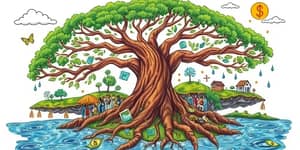
Imagine leaving behind more than just money—a legacy that echoes your values, shapes futures, and inspires generations.
Financial legacy planning is the art of ensuring your assets, principles, and priorities are passed on with purpose and impact.
It goes beyond simple wealth transfer to create a lasting narrative of integrity and family identity.
Why Financial Legacy Planning Matters
This approach offers dual benefits that extend far into the future.
It provides financial security for pursuits like education or starting a business.
Simultaneously, it instills a shared sense of responsibility and purpose across your lineage.
Without it, you risk leaving assets without guidance or meaning.
This can lead to family discord and diminished wealth over time.
By planning, you protect against these pitfalls and foster unity.
Defining Your Personal Legacy
Start by reflecting on what legacy means to you personally.
Is it about supporting family, advancing philanthropy, or preserving traditions?
This step involves deep introspection into your values and goals.
Integrate these values first before diving into financial tools.
For many, faith-based elements play a crucial role, aligning with beliefs to create family mission statements.
This foundation ensures your legacy reflects your true self.
- Define what legacy means: family support, community impact, or business continuity.
- Reflect on purpose to avoid leaving assets without direction.
- Align with beliefs to craft a philanthropic vision that endures.
Core Components of a Legacy Plan
A comprehensive legacy plan integrates several key pillars.
These components work together to ensure efficiency, protection, and values transfer.
These elements form the backbone of a robust legacy strategy.
Additional tools can enhance control and efficiency in your plan.
- Trusts and foundations for added privacy and tax benefits.
- Succession planning to ensure business continuity.
- Regular updates to beneficiary designations for life changes.
Step-by-Step Guide to Building Your Legacy
Follow this comprehensive process to craft a legacy that resonates.
It synthesizes best practices for clarity and effectiveness.
- Assess and clarify your goals by evaluating finances and defining values.
- Inventory all assets, including tangible, intangible, and digital items.
- Decide on distribution, assigning beneficiaries with clear timelines.
- Draft legal documents like wills and trusts to formalize your wishes.
- Incorporate tax and investment strategies for optimization.
- Plan wealth transfer and educate heirs on financial literacy.
- Involve family in discussions to foster unity and shared responsibility.
- Consult professionals such as financial advisors and lawyers for tailored advice.
- Review and update your plan every three to five years or after major life events.
This approach ensures a holistic and values-driven legacy.
Regular reviews are essential for adaptability.
Real-World Examples of Legacy in Action
Consider Alex, a small business owner who set up a will and trust.
He also included donations to an environmental charity, aligning with his values.
Another example is a family trust that funds multi-generational education.
It includes guiding principles to instill responsibility in heirs.
Charitable foundations can support family causes for generations.
These scenarios show how practical tools translate values into action.
Best Practices and Essential Tips
Adopting these practices can enhance your legacy planning journey.
They help avoid common pitfalls and ensure long-term success.
- Start early to build and grow wealth effectively over time.
- Save and invest regularly to secure financial stability.
- Communicate openly with heirs to prevent disputes and misunderstandings.
- Educate on financial responsibility to empower future generations.
- For businesses, develop a clear exit strategy and identify successors.
These tips foster a proactive and informed approach.
Common Pitfalls and Frequently Asked Questions
Be aware of risks like asset diminution from poor management.
Probate delays and costs can also undermine your legacy.
Addressing FAQs clarifies doubts and strengthens your plan.
- What’s an example of legacy planning? Alex’s integration of business, trust, and charity.
- How does legacy differ from estate planning? Estate focuses on mechanics; legacy adds values and impact.
- How often should I update my plan? Every three to five years for relevance.
- What role do professionals play? They guide complex decisions and ensure legal soundness.
Understanding these aspects helps you navigate challenges confidently.
Embracing the Journey Forward
Financial legacy planning is a dynamic and deeply personal endeavor.
It transforms wealth into a meaningful force for good.
By focusing on values, you create a ripple effect that endures.
Take the first step today with professional guidance.
Your legacy can inspire and protect for generations to come.
Let it be a testament to your life’s purpose and love.
References
- https://dechtmanwealth.com/insights/blog/preserving-your-wealth-and-values-for-future-generations-a-guide-to-legacy-planning
- https://blueskywa.com/blog/financial-legacy-planning
- https://drlami.com/building-a-lasting-financial-legacy/
- https://www.oppenheimer.com/news-media/2025/insights/articles/january/legacy-planning-a-key-component-of-financial-wellness
- https://paxfinancialgroup.com/financial-planning/legacy-building-with-a-purpose-passing-down-wealth-and-values/
- https://www.heritagelakeadvisors.com/the-cornerstone-of-legacy-planning-defining-what-matters-most/
- https://www.sparks-financial.com/guide-to-legacy-planning.htm
- https://www.usbank.com/wealth-management/financial-perspectives/trust-and-estate-planning/what-does-it-mean-to-leave-a-legacy.html
- https://creativeplanning.com/family-office/legacy-planning/
- https://hobartwealth.com/why-legacy-plan/