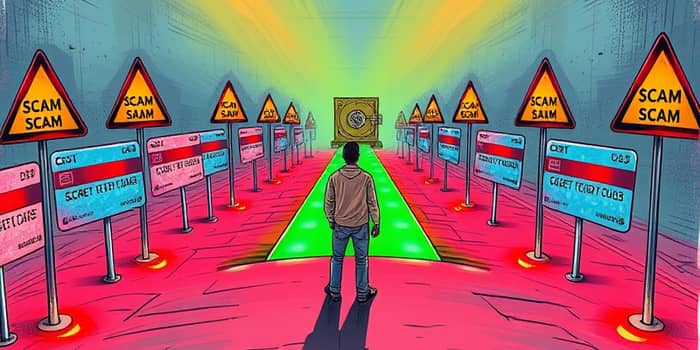
Credit repair can be a powerful tool when used responsibly, but the industry is rife with pitfalls. This guide offers practical, step-by-step guidance to help you navigate common traps and make informed decisions about protecting and improving your financial health.
Understanding the Credit Repair Landscape
The global credit repair services market is projected to reach $4.26 billion in 2023 and is anticipated to grow to $10 billion by 2030. Despite a 4.8% annual decline in the number of U.S. businesses to about 43,810 as of 2025, overall industry revenue has grown at a 2.8% CAGR from 2018 to 2025, reflecting steady consumer demand.
Over 60% of firms now use subscription-based models, while 30% rely on one-time fees and 35% offer hybrid or DIY-plus-expert services. The average FICO score has risen by 14 points since 2018, and AI tools are being adopted rapidly—with AI integration up 30% annually—to streamline dispute processes and client communications.
Common Scams and Fraud Tactics
One of the most alarming trends is synthetic identity fraud, which makes up 85% of identity fraud losses, costing consumers and lenders billions. Scammers assemble fake profiles using real Social Security numbers and fabricated data to open credit accounts, rack up debt, and vanish before detection.
Other schemes include credit washing—where tradelines drop dramatically to eliminate negative history—and the questionable practice of selling tradelines or unauthorized user accounts, which may not deliver lasting score improvements and often breach credit bureau policies.
- Credit washing services that artificially remove legitimate accounts or combine them with high-rated profiles.
- Coaching clients to file false identity theft claims or police reports about valid debts.
- Selling “credit profile numbers” disguised as exclusive identifiers, often stolen SSNs sold for $80–$200.
- Guarantees to delete accurate negative information, promising quick fixes for truthful records.
- Pyramid schemes masquerading as business opportunities, leading to substantial consumer losses.
Recognizing Red Flags
Vigilance is your first line of defense. Scammers rely on urgency and persuasive tactics to rush decisions. Watch for any offer that seems too good to be true or demands immediate payment before delivering results. Under federal law, such practices are explicitly prohibited.
- Upfront payments of any kind before services are rendered.
- Too-good-to-be-true promises of guaranteed or instant score boosts.
- Pressure tactics or immediate payment demands to lock you in.
- Unverified claims by influencers or social media ads with no evidence.
- Lack of a written contract outlining services, costs, and cancellation rights.
- No real track record or excessive confidentiality over the methods used.
Legal Protections and Consumer Rights
Federal law offers robust safeguards. The Credit Repair Organizations Act (CROA) prohibits misleading claims, upfront fees, and mandates a written contract with a three-day right to cancel. It also requires organizations to disclose your rights and the services they will perform.
The Fair Credit Reporting Act (FCRA) gives you the right to dispute inaccurate or incomplete information on your credit reports—free self-disputes of inaccurate information—without any company doing more than you can yourself. The Telemarketing Sales Rule further bans advance fees until six months after disclosed results have been delivered.
Steps to Safely Improve Your Credit Score
You can take many effective actions yourself without paying a cent to a third party. Begin by requesting your free credit reports from Equifax, Experian, and TransUnion. Review them line by line and file disputes for any errors directly with the bureaus.
- Pay all bills on time and in full each month.
- Reduce balances on revolving accounts to lower your credit utilization.
- Use tools like Experian Boost for paid utilities or phone bills.
- Consider secured credit cards or credit-builder loans if you have a thin file.
- Create a budget and negotiate payment plans for outstanding balances.
- Maintain a mix of credit types and a long credit history.
If you need professional help, seek nonprofit credit counselors or certified financial educators. Always verify credentials and read contracts before agreeing to any paid service and ensure compliance with CROA and FCRA. Report suspicious firms to the CFPB, FTC, or your state attorney general.
The Bigger Picture: Why Vigilance Matters
Credit repair scams not only harm individual consumers but erode trust in the financial system. With identity theft claims up 60% since 2017 and over 700,000 credit reporting complaints in 2020–2021, staying informed and cautious is essential. Legitimate firms and DIY strategies exist to help you—and knowledge is your strongest tool.
By understanding the market dynamics, recognizing common fraud tactics, and exercising your legal rights, you can safeguard your finances and work toward a healthier credit profile. Take control today, stay alert, and empower yourself with information to avoid scams and build lasting credit health.
References
- https://www.bankinfosecurity.com/credit-repair-firms-driving-20b-synthetic-id-fraud-crisis-a-23550
- https://www.experian.com/blogs/ask-experian/beware-of-credit-repair-companies-filing-false-police-reports/
- https://coinlaw.io/credit-repair-industry-statistics/
- https://www.consumerfinance.gov/about-us/blog/how-avoid-credit-repair-service-scams/
- https://www.consumeraffairs.com/finance/credit-repair-statistics.html
- https://www.youtube.com/watch?v=9o-lFh0Asso
- https://pointpredictive.com/the-slippery-slope-how-credit-repair-often-leads-to-fraud/
- http://www.myfloridalegal.com/consumer-protection/how-to-protect-yourself-credit-repair-scams
- https://www.ftc.gov/business-guidance/blog/2025/03/stopping-business-opportunity-credit-repair-scams-their-tracks-what-know-about-ftcs-allegations
- https://ago.mo.gov/get-help/programs-services-from-a-z/credit-repair-scams/
- https://bridgeforcedatasolutions.com/credit-reporting-repair-trends-2025/
- https://www.bankwithfidelity.com/resources/education/fraud-cybersecurity-awareness/detail.html?title=credit-repair-fraud-10-warning-signs-you-need-to-know
- https://www.cdiaonline.org/creditrepair/
- https://www.legalshield.com/blog/credit-repair-scams-how-actually-repair-your-credit
- https://www.bankrate.com/personal-finance/credit/are-credit-repair-companies-scam/