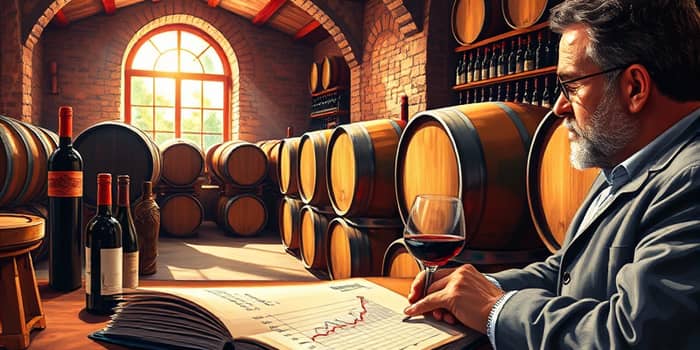
For enthusiasts and investors alike, wine futures offer a remarkable opportunity to secure exceptional vintages before they reach the market. This practice, known as en primeur, merges passion for fine wine with the strategic allure of early investment.
Understanding Wine Futures (En Primeur)
En primeur refers to the purchase of wine while it still rests in barrels or tanks, typically 6 to 24 months post-harvest and prior to bottling. Buyers—whether négociants, retailers or private collectors—reserve allocations at the chateau’s initial release, often at prices lower than eventual market values. At the same time, wineries gain crucial upfront capital to cover production costs and invest in quality enhancements.
Originating in Bordeaux in the twentieth century, this method has expanded to Burgundy and other premier regions, becoming a cornerstone for rare, limited-production wines. For many collectors, securing allocations at release is the only reliable way to access the world’s most coveted bottles.
The Historical and Investment Rationale
Over the past decades, market data and vintage analysis have shown that many early-release wines appreciate significantly. For example, buyers of the 2000 Bordeaux campaign realized strong returns when those bottles hit the secondary market at much higher prices. Similarly, in Burgundy, tiny production runs—sometimes as few as 200 cases per vineyard—make en primeur the only path to ownership.
Key drivers include:
- Initial release prices often represent the lowest entry point, rewarding patient investors.
- Analytical models combining weather, expert reviews and market trends guide pricing strategies, as seen on platforms like Liv-ex.
- Futures programs provide critical cash flow aid to producers, fostering innovation and sustainable practices.
2024 Bordeaux Futures: Challenges and Opportunities
The 2024 campaign witnessed dramatic price adjustments—reductions up to 40%—as chateaux responded to a cold, damp growing season and mixed quality perceptions. Yet while these cuts present potential bargains, sales have lagged amid broader economic headwinds.
Factors affecting this year’s market:
- Post-pandemic inflation and ongoing U.S.-EU tariff uncertainties have dampened enthusiasm among American buyers.
- A weaker U.S. dollar (down 9% vs. the euro year-to-date) makes futures more expensive for dollar-based investors.
- Retailers exhibit selective buying, with some bypassing en primeur entirely, opting instead for already bottled vintages.
Despite these challenges, discerning investors can find undervalued gems with long-term upside potential if they adopt a strategic, patient approach.
State of the Fine Wine Market (2024–2025)
Beyond Bordeaux futures, the global fine wine market demonstrates both resilience and volatility. The ultra-fine segment—encompassing top Bordeaux, Burgundy and Napa Valley labels—continues to attract buyers seeking exceptional quality and rarity. The Liv-ex Fine Wine 1000 index has risen year-over-year, fueled by expanding auctions at Sotheby’s and Christie’s, dedicated fine wine funds, and vibrant secondary platforms boosting liquidity.
However, broader indices like the Liv-ex 100 have dipped, registering a 3% decline in Q2 2025 and reflecting a multi-year correction since 2022. Early 2026 has seen fine wine prices hover at five-year lows, presenting both risk and opportunity for collectors willing to commit capital.
2026 Forecasts and Emerging Trends
Looking ahead, analysts anticipate a measured market rebound. As economic conditions stabilize and U.S.-EU tariff clarity emerges, fine wine prices may recover gradually. Harvest volumes are forecast to decline by around 2.4% in 2025, driven by climate challenges like heatwaves and drought, further elevating the scarcity of top-tier bottles.
Notable trends shaping the next phase include:
- Premiumization shift: Collectors are polarizing between luxury ultra-fine labels and everyday value-driven bottles.
- Diversification strategies: Connoisseurs explore Italy, Champagne, Spain and California, seeking new terroirs and styles.
- Emphasis on sustainability and personalized experiences, such as vineyard visits and bespoke tastings.
Practical Advice for Wine Futures Investors
Success in en primeur requires diligence, patience and a clear strategy. Consider these guidelines:
- Research vintage reports, weather patterns and critics’ scores to identify vintages with the highest quality potential.
- Work with reputable négociants or specialist retailers to secure confirmed allocations and transparent pricing.
- Assess storage and insurance options in advance—proper cellaring is essential to realizing future gains.
- Balance your portfolio: combine mainstream Bordeaux futures with select bottles from Burgundy or niche regions for diversified risk management.
Conclusion
Wine futures represent more than a speculative endeavor—they embody a fusion of culture, history and investment acumen. By engaging in the en primeur market, collectors not only support estates financially but also claim first access to history in the making. Though challenges persist, from economic volatility to climate unpredictability, informed buyers who embrace a patient, long-term perspective can uncover lasting value and enrich their cellars with truly exceptional wines.
Whether you are a seasoned investor or an impassioned aficionado, the world of wine futures offers a unique path to blend passion with profit, securing the finest bottles of tomorrow, today.
References
- https://www.winespectator.com/articles/bordeaux-2024-futures-pricing-and-analysis
- https://www.wineryon.com/en/forecasts-for-a-transformation-of-the-wine-sector-in-2026/
- https://www.wine-searcher.com/futures
- https://www.dimins.com/blog/2026/01/13/2026-wine-spirits-industry-trends/
- https://www.estatewinebrokers.com/blog/the-state-of-the-ultrafine-wine-market-in-2024/
- https://westgarthwines.com/blogs/news/collectors-corner-what-will-2026-bring-for-fine-wine
- https://www.vin-x.com/blog/en-primeur/is-investing-in-wine-futures-for-you
- https://whwc.com/blog/wine-trends-2026/
- https://winecap.com/learn/q2-2025-fine-wine-report
- https://www.finedininglovers.com/explore/articles/wine-trends-will-define-2026
- https://www.wineinvestment.com/us/learn/magazine/2025/08/the-half-year-wine-market-review-what-the-data-says-and-whats-next/
- https://daily.sevenfifty.com/5-wine-industry-trends-to-watch-in-2026/
- https://www.millesima-usa.com/futures.html
- https://www.internationalwinechallenge.com/Canopy-Articles/wine-market-predictions-2026-a-fools-errand.html