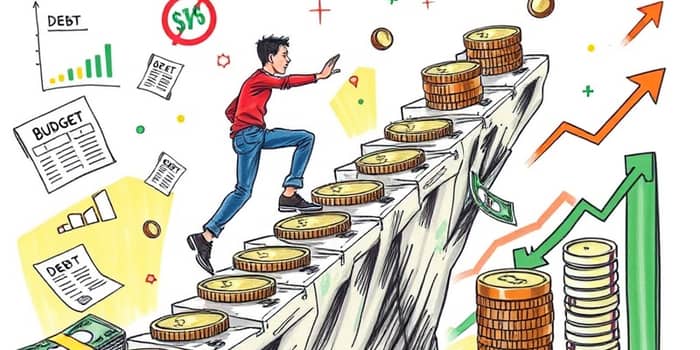
Debt often carries a negative stigma, yet when handled skillfully it can become a powerful lever on the path to independence. This article explores how to restructure liabilities, sharpen your budget, and deploy advanced tactics so you can break free from onerous interest burdens and redirect resources toward growth and security.
Rather than simply aiming to eliminate every debt as quickly as possible, debt optimization emphasizes a balanced approach: using low-cost borrowing to fund investments while attacking high-cost obligations. With this mindset, you cultivate flexibility and momentum on the way to lasting financial freedom.
Step 1: Assess Your Debt Situation
The first pillar of any optimization journey is a clear view of what you owe. Gather your credit report and statements, then catalog each liability by balance, APR, and payment date.
- List credit cards, student loans, auto loans, and personal loans with balances and rates.
- Track your income, living expenses, and discretionary spending via bank statements.
- Calculate your debt-to-income ratio to prioritize items that demand the highest rate.
By taking inventory and minimize overall interest costs, you can craft a targeted payoff sequence that delivers maximum impact with every extra dollar you apply to your balances.
Step 2: Create a Realistic Budget
A budget that supports debt reduction is vital. One popular framework is the 50/30/20 rule, which allocates 50% of income to needs, 30% to wants, and 20% to savings and debt.
- Adjust the 20% allocation upward if you can, directing more funds toward high-rate obligations.
- Implement zero-sum budgeting so every dollar has a designated job, reducing the risk of overspending.
- Build an emergency cash reserve of three to six months’ expenses before accelerating debt payments.
Utilize digital tools that sync with your accounts to monitor spending in real time. This allows you to make small adjustments before they become larger leaks.
Selecting a Repayment Strategy
Choosing the right payoff method is the foundation of your structured and predictable repayment plan. Common strategies include snowball, avalanche, and hybrid approaches. Each offers distinct benefits and trade-offs.
Even an extra $20 or $200 each month can dramatically shorten your timeline and contribute to momentum toward debt freedom. Consistency is the key to unlocking this effort.
Advanced Optimization Tactics
Beyond strategic repayment, debt restructuring tools can further lower costs and simplify your financial life.
- Negotiate lower APRs by leveraging a strong payment history and credit score.
- Transfer high-rate balances to cards offering 0% introductory periods.
- Refinance student or private loans to extend terms or lock in lower rates.
- Consolidate multiple debts into a single loan with strategic consolidation and refinancing options.
- Consider a debt management plan through a certified counselor to negotiate rates and fees.
While options like debt settlement and bankruptcy exist, they carry significant credit implications and should be reserved for extreme circumstances.
Building a Lasting Path to Freedom
Debt optimization is more than just crunching numbers. It requires mindset shifts and sustained habits that blend paydown efforts with growth strategies.
First, increase your earning potential through multiple income streams to boost your repayment power and accelerate progress toward your goals.
Next, live well below your monthly spending capacity, cutting non-essential expenses and redirecting the difference toward high-interest balances.
Balance debt repayment with strategic saving and investing to build long-term wealth. Allocating a portion of your budget to retirement or brokerage accounts ensures that you’re making progress on both fronts.
Set clear, time-bound milestones—whether that means paying off a credit card, eliminating a student loan, or hitting a savings target—and celebrate each achievement to maintain motivation.
Regularly review your plan and adjust for life changes, market conditions, or shifts in income. This ongoing practice helps sustain momentum and keeps your objectives aligned with reality.
Conclusion
Optimizing your debt is a strategic journey that transforms what is often seen as a burden into a driving force for growth. By assessing your liabilities, crafting a budget, choosing targeted repayment methods, and exploring advanced restructuring tactics, you unlock the power to reclaim cash flow and build a resilient financial future.
Embrace debt as a tool rather than a curse, and watch as each calibrated payment brings you closer to both freedom and opportunity. The path is within your reach—take the first step today toward a life unbound by interest and full of possibility.
References
- https://www.mutualofomaha.com/advice/financial-planning/managing-debt/how-to-get-out-of-debt-and-regain-your-financial-freedom
- https://www.glcu.org/resource-center/blog/mastering-debt-management-a-blueprint-to-financial-freedom/
- https://finfloh.com/blog/debt-optimization
- https://www.associatedbank.com/education/articles/personal-finance/loans-and-debt/how-to-get-out-of-debt-strategies
- https://www.jgwentworth.com/resources/what-are-the-3-biggest-strategies-for-paying-down-debt
- https://www.navyfederal.org/makingcents/credit-debt/debt-repayment-strategies.html
- https://www.amerantbank.com/ofinterest/debt-management-strategies-for-financial-freedom-2025/
- https://www.westernsouthern.com/personal-finance/debt-reduction-strategies
- https://www.edwardjones.com/us-en/market-news-insights/guidance-perspective/saving-future
- https://www.militaryonesource.mil/resources/millife-guides/paying-off-debt/
- https://www.bankrate.com/loans/personal-loans/financial-freedom-pyramid/
- https://www.investcarlisle.com/blog/mastering-debt-management-a-guide-to-financial-freedom
- https://www.youtube.com/shorts/QdbYI67NDRA
- https://www.doverfcu.com/news/unlock-financial-freedom-5-key-benefits-debt-management-plan
- https://www.savingscoach.com/blog-01/my-journey-becoming-millionaire-debt-financial-freedom