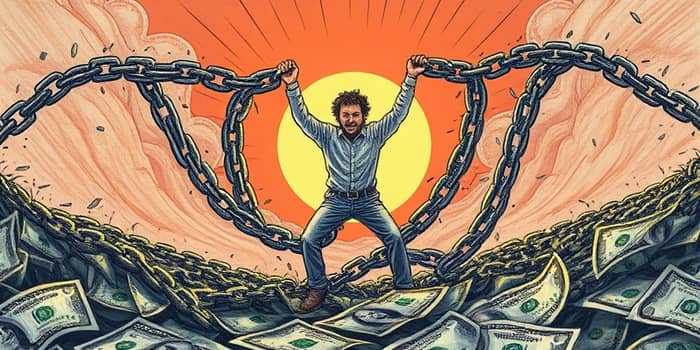
In 2023, 4.7% of U.S. households—over 5 million families—turned to payday loans to handle emergency expenses. While these quick-cash solutions seem attractive in the moment, they often unleash a cascade of financial hardship. Through sobering statistics, personal stories, and practical guidance, this article explores how you can avoid the pitfalls of predatory short-term lending and chart a course toward lasting stability.
The High Price of Borrowing
Payday loans carry annual percentage rates exceeding four hundred percent, far above traditional credit. For example, a two-week, $375 loan with a 15% finance charge equates to a 391% APR. Borrowers in high-cost states like Texas face APRs up to 582%. A four-month installment loan costs $645 in finance charges at a 527% APR for just a $500 principal amount. These steep fees drain critical resources from families already stretched thin.
APR is calculated by dividing the finance charge by the loan amount, then annualizing over a 365-day year. This mechanism masks the true cost until after a borrower is already locked into a cycle. When you pay $70 to extend a $300 balance for two weeks, the annualized cost explodes beyond comprehension.
Imagine Sarah, a single mother working two jobs. When her car broke down unexpectedly, she borrowed $400 with the promise to repay in two weeks. By her third renewal, she owed over $1,000. Stories like hers are all too common and underscore why understanding the true cost of borrowing is crucial.
The Vicious Debt Trap
Once the initial due date arrives, many borrowers cannot afford both principal and fees. They roll over the loan, incurring new charges. Over time, this leads to rollover fees compounding debt, swelling balances far beyond what was originally borrowed.
Data shows 85% of payday loan users take out seven or more loans per year, and 75% of fees come from repeat borrowers with ten or more loans. As balances balloon, lenders may subject borrowers to overdraft penalties averaging $185, closed bank accounts, and damaged credit scores. Anxiety and stress escalate, affecting mental health and relationships.
Consider John, a warehouse worker who used payday loans to cover rent after a medical emergency. Within months, he found himself paying over $200 in fees each pay period, leaving him with barely enough to cover groceries. The cycle nearly doubled his debt before he sought help.
Your Rights and Regulatory Landscape
Regulatory protections for payday borrowers vary by state. In 18 states and the District of Columbia, caps on rates or outright bans limit APRs to more manageable levels. Some of these jurisdictions enforce mandatory affordability checks protect borrowers to ensure repayment capacity before approving a loan. Conversely, states without caps, like Mississippi and Texas, permit APRs over 500%, trapping vulnerable consumers.
The Consumer Financial Protection Bureau collects nationwide data to expose abusive practices and inform policy recommendations. Persistent advocacy has spurred proposals for federal caps and industry-wide transparency rules. If you believe you have been charged illegal fees or misled about loan terms, you have the right to file a complaint with the CFPB or consult a legal aid organization.
Practical Paths to Freedom
Escaping the cycle of payday debt requires immediate steps and strategic planning. Below are actionable options you can explore today:
- Assess credit union or bank programs offering transparent and affordable credit options with APRs under 36%.
- Consult a non-profit credit counselor to negotiate lower rates or consolidated payments.
- Leverage employer-based emergency loan programs or hardship advances.
- Sell unused items or pick up temporary gigs to raise funds without high-cost borrowing.
If you are already trapped in a high-interest loan, contact consumer advocacy groups that can help dispute excessive charges. Many organizations provide free counseling and may negotiate fee waivers or reduced repayment plans with lenders. Remember, reaching out for support shows resilience and determination.
Building Long-Term Financial Resilience
Breaking free from payday loans is a milestone on a much larger journey: achieving sustainable financial well-being. This requires cultivating healthy money habits and robust safety nets.
Start by creating a zero-based budget that assigns every dollar a purpose. Prioritize essential expenses, and gradually fund an emergency account. Aim for at least one month’s living costs before tackling long-term investments. You can also explore community resources that offer matched savings programs or small-dollar grants.
- Automate monthly transfers to a savings account, even small amounts build momentum.
- Attend free or low-cost workshops on budgeting, credit building, and debt management.
- Develop additional income streams through online freelancing or local part-time work.
- Engage with supportive communities or peer groups for accountability and shared learning.
By empowering financial support networks and taking consistent steps, you transform short-lived relief into lifelong security. Celebrate each milestone—no matter how small—as proof you are forging a brighter future free from predatory lending.
The path ahead may seem daunting, but every informed choice lightens the burden. Replace fear of unexpected expenses with confidence in your ability to handle them. Armed with knowledge, resources, and community support, you can reclaim control of your finances and build a foundation that endures.
Take the first step today: review your options, seek guidance, and commit to a plan. A life without the stress of high-interest debt is not only possible—it’s waiting for you.
References
- https://www.incharge.org/debt-relief/how-payday-loans-work/
- https://www.nerdwallet.com/personal-loans/learn/average-personal-loan-rates
- https://coascenters.howard.edu/lured-debt-how-payday-loans-and-paycheck-apps-exacerbate-financial-struggles-underserved
- https://www.thebusinessresearchcompany.com/report/payday-loans-global-market-report
- https://www.earthmovercu.com/about/other/blog/blog/2023/05/26/the-dangers-of-payday-loans-what-to-do-instead
- https://www.nationaldebtrelief.com/resources/personal-loan-debt-relief/payday-loan-stats/
- https://www.neamb.com/personal-finance/payday-loan-facts
- https://www.technavio.com/report/payday-loans-market-industry-analysis
- https://www.consumerfinance.gov/about-us/newsroom/cfpb-finds-four-out-of-five-payday-loans-are-rolled-over-or-renewed/
- https://www.pew.org/en/research-and-analysis/issue-briefs/2022/04/payday-loans-cost-4-times-more-in-states-with-few-consumer-protections
- https://www.americanprogress.org/article/young-people-payday-lenders-newest-prey/
- https://www.mtcfederal.com/what-are-payday-loans-and-why-are-they-used/
- https://www.nber.org/papers/w28799