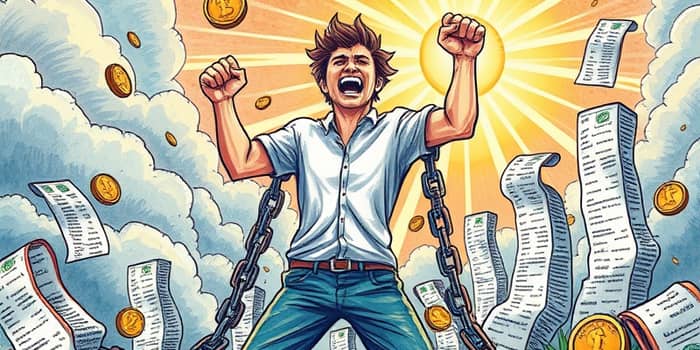
Drowning in debt can feel like carrying a heavy burden limiting financial freedom. It weighs on your mind, your health, and your relationships. But with discipline, clarity, and a step-by-step plan, anyone can escape this cycle and embrace a future free of monthly repayments.
This handbook serves as your financial roadmap for informed decisions, guiding you through proven debt-elimination strategies. No matter your income, you can regain control and build lasting stability.
Understanding Debt's Impact
Debt often accumulates quietly, accruing interest and stress until it becomes overwhelming. From credit cards to high-interest personal loans, each obligation carries a psychological weight, creating anxiety and sleep loss.
High-interest debts can feel inescapable, as payments barely touch the principal. This constant pressure can lead to poor health, strained relationships, and a sense of helplessness. Recognizing these patterns is the first step toward breaking them.
Building a Financial Foundation
Before tackling debts, lay the groundwork for stability. An emergency fund for unexpected expenses prevents small crises from derailing your progress.
Start by tracking every expense for one month. Identify habits—both helpful and harmful—and set realistic savings goals. Even modest contributions to a safety net build confidence and prevent new borrowing.
Step-by-Step Debt Elimination Process
Transform your finances with this actionable 7-step plan designed for long-term success:
- Step 1: Assess Your Debt
Compile a complete list of obligations, noting balances, interest rates, and minimum payments. This transparency forms the foundation of your strategy
- Step 2: Set Clear Financial Goals
Define specific targets such as “eliminate $3,000 in six months.” Clear objectives keep motivation high and provide measurable milestones.
- Step 3: Establish a Realistic Budget
Allocate your income across essentials, debt repayment, and savings. A balanced approach ensures you can sustain progress without burnout.
- Step 4: Prioritize Debts
Choose between the Debt Snowball and Debt Avalanche methods. Use the snowball for quick psychological wins by paying off small balances first, or the avalanche to minimize interest costs by tackling high-rate debts.
- Step 5: Cut Unnecessary Expenses
Review monthly subscriptions, dining out, and impulse purchases. Redirect freed-up cash toward debt to accelerate your payoff timeline.
- Step 6: Increase Income
Explore side hustles, freelancing gigs, or career advancement. Even temporary boosts to earnings can dramatically shorten your repayment period.
- Step 7: Stick to the Budget and Track Progress
Maintain discipline with regular spending reviews, adjustments, and celebration of milestones. Tracking visual progress fosters accountability and enthusiasm.
Supporting Strategies and Tools
Long-term success requires ongoing motivation and monitoring. Implement these tactics to stay on track:
- Schedule weekly budget check-ins
- Use mobile apps for expense tracking
- Set calendar reminders for payments
- Celebrate small victories for motivation
Handling Setbacks and Emergencies
Unexpected costs—medical bills, car repairs—can threaten your progress. An accessible emergency fund ensures you won’t resort to new debt when life happens. If you dip into savings, replenish it first before resuming extra payments.
When challenges arise, revisit your budget, adjust non-essential spending, and lean on online guides or professional advisors for support.
Guarding Against Future Debt
Once you’re loan-free, guard against relapse with these practices:
Maintain a lean lifestyle that prioritizes needs over wants. Regularly review your finances to catch drifting habits early. Educate yourself on credit products to avoid high-interest traps.
By mastering these techniques, you can “utterly destroy” new debt quickly—aspiring to remain loan-free in under a year—even through economic downturns.
Frequently Asked Questions
Can anyone budget out of debt? Yes. Effective budgeting depends on discipline, not income level. Consistent planning and tracking lead to progress.
Which method is best, snowball or avalanche? Snowball offers quick wins to boost morale, while avalanche saves more on interest. Choose based on your personality and goals.
What about unexpected expenses? A dedicated emergency fund protects your debt plan. Rebuild it before resuming aggressive payments.
How long will it take? Timelines vary by debt size, income, and repayment intensity. Many achieve freedom in under a year with focused effort.
Where can I find more help? Consult books such as Debt Buster: Free Yourself From The Shackles In Less Than A Year or seek reputable financial counseling services.
Take the First Step Today
Financial freedom is within your reach. Start now by listing your debts and setting a clear payoff goal. Each small action propels you closer to a life unburdened by loans.
With determination, strategic planning, and the support of this handbook, you can reclaim control of your money and your future.
References
- https://www.debtbusters.co.za/guides/using-a-budget-to-get-out-of-debt/
- https://www.goodreads.com/book/show/58967059-debt-buster
- https://www.kobo.com/in/en/ebook/debt-buster-free-yourself-from-the-shackles-in-less-than-a-year
- https://www.barnesandnoble.com/w/debt-buster-paul-haedo/1140142893
- https://www.goodreads.com/book/show/6468967-debt-busters
- https://chaptersbookstore.com/products/debt-busters-managing-your-money-through-the-recession