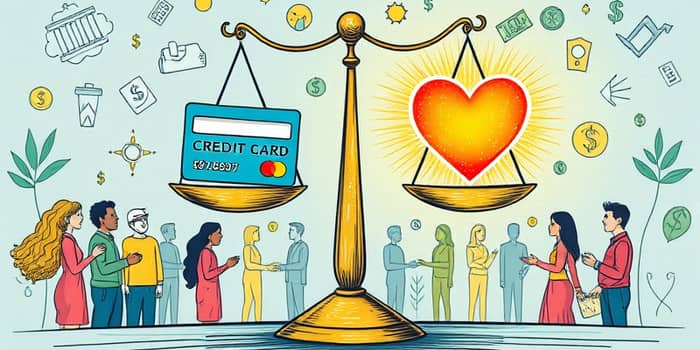
Credit cards are powerful tools that can unlock convenience and opportunity—but they also carry risks that extend far beyond the balance on your statement. By pairing careful planning with moral awareness, you can use plastic responsibly, protect your credit score, and contribute to a healthier financial ecosystem for everyone.
In this article, we explore the ethical dimensions of credit card use through the lenses of personal responsibility, professional duty, and societal impact. We’ll share practical strategies, essential best practices, and a hopeful path forward.
Understanding Personal Financial Ethics
At its core, credit card ethics begin with self-awareness. Virtue ethics emphasizes that our habits define our character, and credit card usage offers a daily test of self-control and integrity.
When you charge a purchase, you’re making a promise to pay. Breaking that promise can damage more than your credit score—it can erode trust in yourself and the broader system. Embracing responsible spending habits means establishing boundaries well before you swipe.
- Budget diligently: track income, expenses, and savings goals each month.
- Pay in full: avoid carrying a balance to escape unintended debt traps and interest charges.
- Stay within limits: keep utilization below 30% to maintain healthy credit profiles.
- Resist impulse buys: pause before purchases to ensure they align with priorities.
By adhering to these principles, you build a foundation of financial freedom and stability that benefits every area of life.
Navigating Professional and Legal Responsibilities
Professionals—especially those in fields like law—face unique dilemmas when accepting credit cards for fees or retainers. Ethical guidelines demand transparency, client protection, and strict separation of funds.
Law firms may accept credit card payments only if they:
- Use separate trust accounts: prevent mingling client funds with operational revenue.
- Disclose all potential charges: notify clients of possible future debits and chargeback risks.
- Hold funds appropriately: retain payments at least 60 days before attempting refunds or chargebacks.
- Avoid surprise billing: non-action by a client never justifies unexpected large debits.
These steps ensure that clients are never blindsided by charges they cannot afford, upholding both professional integrity and consumer protection standards.
Assessing the Societal Impact of Debt
Credit card debt has become a defining social challenge. As of Q4 2025, Americans owed a record $1.277 trillion—an increase of 66% since early 2021.
Behind this staggering figure are families who struggle to balance necessities and rising living costs. High interest rates can turn manageable balances into crushing liabilities, perpetuating cycles of stress and hardship.
State-level disparities reveal deeper divides. People in New Jersey and Maryland carry average balances near $9,700, while residents of Mississippi average under $4,900. These gaps reflect broader economic inequalities and access to credit education.
Financial technology firms have fueled rapid card originations—up 71% in recent years—yet delinquency rates for accounts 30 days past due now exceed pre-pandemic levels. This trend illustrates how easy access must be balanced with responsible credit stewardship.
Tools and Strategies for Ethical Credit Use
Moving from awareness to action requires practical tools and structured habits. Technology can help, but true discipline arises from consistent effort and reflection.
- Automate payments: schedule full-balance payments each month to avoid late fees and interest.
- Set alerts: receive notifications for approaching limits or upcoming due dates.
- Use cash-back strategically: redeem rewards to bolster savings rather than justify extra spending.
- Review statements weekly: catch errors or unauthorized transactions promptly under consumer protection laws.
For aspiring cardholders under 25—whose usage has surged to 64%—financial literacy is key. Parents, educators, and community groups can spearhead workshops on budgeting, credit scoring, and long-term planning. These efforts cultivate lifelong money management skills that benefit individuals and society.
Looking Ahead: A Vision for Ethical Credit Markets
As we project to 2026, experts anticipate credit card balances reaching $1.18 trillion—an increase driven by inflation and cautious lending practices. Lenders will likely tighten standards, particularly for riskier segments.
To foster a healthier credit ecosystem, stakeholders must collaborate. Policy makers can strengthen disclosure requirements and liability limits; fintech companies can integrate behavioral nudges that promote on-time payments; and consumers can commit to thoughtful, goal-oriented spending.
By embracing an ethical framework—anchored in self-discipline, transparency, and communal responsibility—we can transform credit cards from potential pitfalls into tools for empowerment. In doing so, we build a financial future where integrity and opportunity go hand in hand.
References
- https://www.arborfcu.org/blog/5-best-practices-for-credit-card-use
- https://www.lendingtree.com/credit-cards/study/credit-card-debt-statistics/
- https://newsroom.transunion.com/2026-consumer-credit-forecast/
- https://www.clio.com/blog/law-firms-accepting-credit-cards/
- https://use.expensify.com/blog/credit-card-statistics
- https://www.consumerfinance.gov/rules-policy/regulations/1026/12
- https://www.nerdwallet.com/credit-cards/learn/credit-card-data
- https://dcbar.org/for-lawyers/legal-ethics/ethics-opinions-210-present/ethics-opinion-348
- https://www.experian.com/thought-leadership/business/state-of-credit-card-2026-report
- https://www.prindleinstitute.org/2023/09/credit-cards-and-virtue-ethics/
- https://us-go.experian.com/2026-state-of-credit-card
- https://www.sfbar.org/blog/legal-ethics-corner-ethical-issues-in-accepting-credit-card-payments/
- https://institute.bankofamerica.com/consumer-checkpoint.html