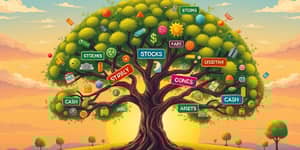
The unfolding Great Wealth Transfer represents an unprecedented moment in history. As assets move across generations, there is an opportunity for heirs to shape not only their own futures but the broader social and economic landscape. This guide offers inspiration, concrete strategies, and practical tools that will empower you to steward inherited resources with vision and care.
Understanding the Great Wealth Transfer
The Great Wealth Transfer is dubbed the largest intergenerational asset shift in history. With an estimated $124 trillion in projected wealth transfer flowing from the Silent Generation and Baby Boomers through 2048, heirs and charities stand poised to receive an unprecedented windfall. Currently moving at $1.5–2 trillion annually, this transfer is driven by soaring real estate values, booming equity markets, and longer retirements.
High-net-worth households—just 2% of U.S. families—will account for over half of the total, while the top 10% will handle most transfers. Charitable donations are set to receive around $18 trillion of the total, underscoring the transformative potential for philanthropy.
Profiles of Givers and Receivers
Every generation approaches wealth differently. Understanding these mindsets is crucial to crafting an effective stewardship plan.
- Baby Boomers and the Silent Generation: Hold paid-off homes, inflated retirement accounts, and prefer aging in place. They often focus on stability, legacy real estate, and gradual gifting.
- Generation X: Set to inherit about $39 trillion over time, they emphasize immediate needs, debt reduction, and wealth preservation.
- Millennials and Gen Z: Expect to receive a combined $61 trillion. They champion values-based management and impact investing, favoring sustainable funds, private equity, and digital assets alongside philanthropy.
By recognizing generational priorities, families can align estate planning with shared values and long-term goals.
Strategies for Responsible Stewardship
Transforming inheritance into a force for good requires foresight and education. Here are actionable strategies to guide your journey:
- Build essential financial literacy. Develop budgeting, tax planning, and investment knowledge through courses, mentors, and family offices.
- Craft a cohesive family mission statement. Articulate shared values, philanthropic goals, and risk tolerance to foster unity and purpose.
- Diversify beyond traditional holdings. Allocate portions of your portfolio to alternatives like private equity, impact funds, and digital assets to enhance returns and social impact.
- Leverage luxury real estate wisely. Target growth markets—coastal enclaves, historic urban districts, and sustainable green developments—to preserve capital and create lasting legacies.
In addition to these steps, regular family meetings, transparent communication, and advisory support deepen engagement and trust.
Navigating Challenges and Risks
The journey is not without obstacles. A few key challenges include:
- Extended lifespans delaying asset transfer, making timing uncertain.
- Potential misalignment of values across generations, leading to conflict.
- Market volatility and concentration risk, especially in single-asset inheritances.
Mitigate these risks through scenario planning, structured gifting programs, and contingency funds. Consider phased distributions tied to education, entrepreneurship, or philanthropic benchmarks to ensure purposeful use of assets.
Key Generational Breakdown
This breakdown highlights the progressive rise in intergenerational wealth and the distinct planning timelines each cohort faces.
Philanthropy and Social Impact
Charitable giving is a cornerstone of the Great Wealth Transfer. With an anticipated $18 trillion to philanthropy, families can magnify their social footprint. To maximize impact:
- Establish donor-advised funds or family foundations for strategic grantmaking.
- Engage younger generations in site visits and impact reporting to foster ownership.
- Align giving with core family values—education, environment, health—to create measurable outcomes.
By integrating philanthropy into your wealth plan, you cultivate a legacy that transcends financial metrics and enriches society.
Looking Ahead: Building Enduring Legacies
As you prepare to receive or distribute wealth, remember that stewardship is both an honor and a responsibility. Through essential financial literacy and proactive planning, you can safeguard assets and amplify their positive influence.
Envision a multi-generational pact where each heir commits to learning, governance, and giving. This collaborative framework ensures that resources fuel innovation, resilience, and compassion for decades to come.
Ultimately, the generational game plan isn’t just about numbers. It’s about building enduring legacies across generations—legacies defined by shared purpose, informed stewardship, and transformative impact.
Embrace this moment. With intentional action and unwavering values, you can turn inherited wealth into a catalyst for growth, opportunity, and collective well-being.
References
- https://www.bpm.com/insights/generational-wealth-transfer/
- https://www.realtor.com/news/trends/generational-wealth-transfer-sothebys-luxury-report-2025/
- https://www.glenmede.com/insights-private-wealth/the-great-generational-wealth-transfer/
- https://fortune.com/2025/12/06/great-wealth-transfer-inheritance-gen-z-millennials-boomers-entrepreneurs-self-made-billionaires/
- https://www.citizensbank.com/learning/great-wealth-transfer-survey.aspx
- https://www.ml.com/articles/great-wealth-transfer-impact.html