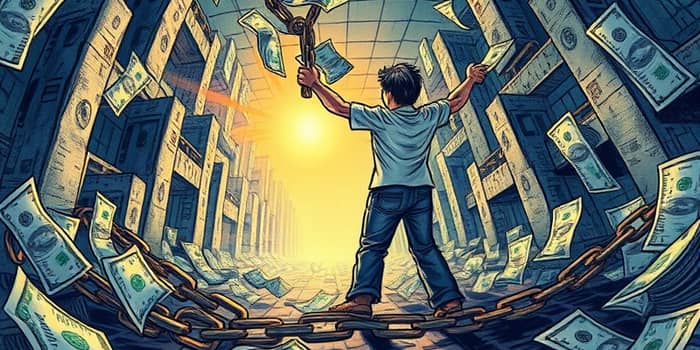
Predatory lending preys on the hopes and vulnerabilities of ordinary people seeking financial relief or growth. The consequences often spiral into a cycle of debt that traps families and individuals in unending hardship. By recognizing the warning signs, equipping yourself with knowledge, and leveraging available protections, you can steer clear of these debt traps and reclaim your financial future.
Throughout this article, we explore practical strategies, legal safeguards, and inspiring success stories to help you break free from the grip of unethical lenders. Let’s embark on this journey toward empowerment and resilience.
Understanding Predatory Lending
Predatory lending involves deceptive or abusive practices by lenders who impose unfair terms on borrowers. Common characteristics include:
- Triple-digit APRs and hidden fees designed to maximize profit
- Minimal or no assessment of your ability to repay
- Loan flipping, where debt is refinanced repeatedly with fees tacked on
- Steering qualified borrowers into subprime products
These tactics disproportionately affect minorities, the elderly, and those with limited credit history, creating a landscape where desperation meets exploitation.
Common Types of Predatory Loans
Understanding the variety of predatory products is the first step toward avoidance. Below are the most prevalent:
- Payday Loans: Short-term loans with APRs often exceeding 300%, requiring repayment on your next paycheck.
- Car Title Loans: Secured by your vehicle title, with fees over 25% and risk of repossession within 30 days.
- Subprime Mortgages: Home loans loaded with excessive fees, balloon payments, and no real ability-to-repay checks.
- High-Cost Installment Loans: APRs reaching 200%+ and junk fees that inflate the true cost of borrowing.
- Private Student Loans: Targeted at students with aggressive interest rates and minimal consumer protections.
Each of these products shares the goal of generating maximum revenue at the borrower’s expense, often leading to foreclosure, repossession, or spiraling unpaid balances.
Recognizing Warning Signs Early
You can guard against abusive lenders by watching for critical warning signs:
- APR above 36% or fees exceeding 5% of the loan principal
- No comprehensive review of your income, expenses, or credit history
- Pressure tactics to sign immediately without documentation review
- Balloon payments or prepayment penalties that lock you in
- Vague or confusing contract terms that hide true costs
Spotting these red flags can save you from long-term financial distress before you even sign the dotted line.
Practical Strategies to Protect Yourself
Empower yourself with proactive steps to avoid falling victim to predatory schemes:
Shop Around: Compare offers from multiple lenders, including credit unions and community banks, to secure better terms.
Read the Fine Print: Scrutinize every fee, clause, and repayment schedule. Ask questions until you fully understand your obligations.
Budget Wisely: Determine your maximum affordable payment before seeking a loan. Factor in taxes, insurance, and living expenses.
Seek Counseling: Nonprofit credit counseling agencies can help you explore alternatives to high-cost borrowing.
Legal Protections and Resources
Federal and state agencies enforce regulations to curb predatory behavior. Key resources include:
- The Consumer Financial Protection Bureau (CFPB), which investigates complaints and enforces borrower rights
- The Federal Trade Commission (FTC), overseeing deceptive practices through initiatives like Operation Game of Loans
- State Attorneys General, enforcing APR caps and prosecuting illegal lending schemes
In addition, many states have enacted interest rate caps:
Consult your state’s financial regulator to learn about local caps and licensing requirements.
Alternatives to Predatory Products
Before resorting to a high-cost lender, consider these safer options:
- Credit Union Loans: Often offer lower rates and more flexible terms than payday or title loans.
- Peer-to-Peer Lending: Online platforms that match you with investors at competitive rates.
- Emergency Assistance Programs: Nonprofits, charities, or municipal funds that provide grants or low-interest loans for urgent needs.
By exploring these alternatives, you can meet your financial needs without the risk of debt traps.
Moving Toward Financial Freedom
Escaping predatory lending schemes is not just about avoiding traps—it’s about reclaiming control over your financial destiny. Every step you take toward education and due diligence builds resilience against future predatory offers.
Empower yourself with knowledge about fair credit products, and share what you learn with friends and family. Collective awareness weakens the reach of predatory lenders.
Remember, you deserve financial products that support your growth, not ones that exploit your circumstances. By recognizing danger, harnessing legal protections, and embracing responsible alternatives, you can break free from oppressive debt cycles and pursue a future defined by choice and stability.
References
- https://www.consumeraffairs.com/finance/what-is-predatory-lending.html
- https://www.bankrate.com/loans/student-loans/predatory-lending-statistics/
- https://www.consumeradvocates.org/for-consumers/predatory-lending/
- https://home.treasury.gov/news/press-releases/report3076
- https://www.achcd.org/for-county-residents/beware-of-predatory-lending/
- https://www.nclc.org/resources/predatory-installment-lending-in-the-states-2025/
- https://consumerbankers.com/press-release/myths-vs-facts-recent-report-on-private-student-lending-fundamentally-misrepresents-the-facts-and-misunderstands-how-market-works/
- https://www.justice.gov/usao-edpa/divisions/civil-division/predatory-lending
- https://protectborrowers.org/resource/default-crisis-fact-sheet-jan-2026/
- https://uwc.211ct.org/predatory-lending-practices-abusive-loan-practices/
- https://libertystreeteconomics.newyorkfed.org/2026/02/where-are-mortgage-delinquencies-rising-the-most/
- https://www.jchs.harvard.edu/research-areas/working-papers/understanding-predatory-lending-moving-towards-common-definition-and
- https://woodstockinst.org/woodstock-updates/woodstock-institute-2025-26-priorities/
- https://www.ncontracts.com/nsight-blog/fair-lending-update