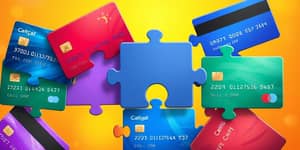
Credit limits are more than just borrowing caps. They shape how we think about money, influence our emotions, and guide our spending choices. By understanding the underlying psychology, you can make empowered decisions and master your finances.
Credit Limits as Signals of Financial Potential
Every time a bank assigns a credit limit, it sends a message: you can spend up to this amount. Many consumers interpret this cue as a signal of lifetime income. When limits are high, people feel wealthier and more willing to charge big purchases. Conversely, low limits convey scarcity and promote caution.
This phenomenon is particularly potent among naïve or inexperienced consumers. Younger or less-educated individuals often accept the limit’s credibility, boosting their willingness to spend as though their future earnings were higher than reality.
The Pain of Paying and Its Consequences
Swiping a card feels easier than handing over cash. This ease weakens our internal spending brakes. Research shows that credit transactions are associated with a reduced immediate pain of paying, activating reward centers in the brain.
When you embrace a buy now, pay later mentality, the cost of luxury items—vacations, gadgets, fine dining—feels minimal. Neural studies reveal that credit use can activate brain reward systems like dopamine release, amplifying shopping pleasure and clouding rational judgment.
Behavioral Biases That Fuel Overspending
Our minds are wired for shortcuts. Several biases converge to make credit cards dangerous if used unwisely:
- Unrealistic optimism and overconfidence lead consumers to believe they will always pay off balances on time, choosing cards with flashy perks rather than sensible terms.
- Mental rationalizations—such as gamified rewards or fear of missing out—justify extra spending, even when debt accumulates.
- Emotional spending acts as stress relief; credit makes it easy to numb feelings in the moment, creating a long-term "financial hangover."
In online environments, easy access and positive imagery further entice impulse buys, especially for those with low self-control paired with high credit limits. The risk of excess debt grows when self-regulation falters.
Key Factors Influencing Spending Behavior
Below is a summary of the main drivers and who they affect most:
Consumer Types and Vulnerabilities
Understanding your own profile can prevent costly mistakes:
High Credulity individuals treat limits as personal endorsements of earnings. Optimists underestimate debt burdens. Emotional Spenders lean on credit to cope, risking a cycle of stress-induced borrowing. Recognizing these patterns is the first step toward control.
Practical Strategies for Empowered Spending
Transform knowledge into action with these proven tactics:
- Set rigorous personal spending sub-limits on each card to override high bank-imposed limits.
- Track every purchase daily; pause for a few hours to pause for dopamine fade before impulsive buys.
- Use cash or debit for large purchases to restore the pain of paying and rethink necessity.
- Choose credit cards that match your habits—no-rewards cards if you carry balances to avoid the temptation of bonus perks.
- Schedule regular budget reviews, reflecting on your emotional triggers and aligning spending with your core values.
Conclusion
Credit limits can be powerful allies or hidden pitfalls, depending on how you interpret and respond to them. By questioning the signals they send, acknowledging the psychological forces at play, and implementing disciplined strategies, you can reclaim control of your financial journey. Embrace this knowledge not as a burdensome rulebook, but as a guide to live confidently within your means and achieve lasting peace of mind.
References
- https://pubsonline.informs.org/doi/10.1287/mksc.21.1.32.155
- https://pmc.ncbi.nlm.nih.gov/articles/PMC9310566/
- https://www.bankrate.com/credit-cards/advice/psychology-of-credit-card-spending/
- https://www.frontiersin.org/journals/psychology/articles/10.3389/fpsyg.2025.1517460/full
- https://blog.oup.com/2008/02/credit/
- https://letskipp.com/blog/7-effective-strategies-for-increasing-top-of-wallet-card-usage-a-deep-dive-into-consumer-psychology/
- https://freshcredit.com/the-psychology-of-credit-understanding-consumer-behavior/
- https://www.psychologytoday.com/us/blog/retail-therapy/201306/why-we-overspend-credit