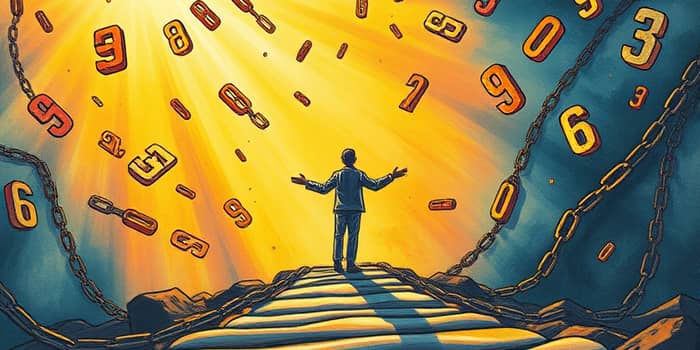
Debt is more than a financial obligation; it’s a psychological journey that affects your thoughts, emotions, and daily choices. By shining a light on the forces that drive your financial decisions, you can transform stress into empowerment. This article explores the research behind debt psychology and offers practical steps to regain control.
Impact on Mind and Well-being
Research consistently shows that carrying chronic debt takes a toll on mental health. Student loans, in particular, correlate with a significant drop in life satisfaction. When debt is constantly on your mind, it imposes a "bandwidth tax," reducing your ability to focus on creative or complex tasks.
One landmark study found that eliminating a single debt account improved cognitive functioning by about one-quarter of a standard deviation. Debt relief also lowered anxiety by 11% and present bias by 10%. Such data underscore the power of cognitive performance and mental clarity once financial burdens ease.
More creditors often mean greater stress. The structure of your debt—how many accounts are active—matters more psychologically than the total amount owed. Closing multiple small accounts can deliver more relief than a single large reduction.
Recognizing Behavioral Patterns
When it comes to repayment, many consumers follow the Debt Snowball method, paying off the smallest debts first. Despite financial logic favoring high-interest accounts, people prioritize closing accounts and celebrate small victories.
This approach creates quick wins that boost confidence. By eliminating one balance entirely, you feel momentum and motivation to tackle the next. Alternatively, the Debt Avalanche method targets highest-interest debts first, minimizing overall cost but often lacking the emotional payoff of a completely paid-off account.
Emotional Consequences of Debt
Debt stress can disrupt sleep patterns, impair health, and strain relationships. Persistent financial worry triggers chronic anxiety, making it difficult to relax even during leisure activities. Feelings of shame often compound the stress, as individuals compare themselves unfavorably to peers.
Many experience feelings of helplessness and anxiety when bills pile up. This emotional burden can foster negative self-talk and erode self-worth, leading some to avoid looking at statements or answering calls from creditors.
At its core, debt challenges your identity. Acknowledging this allows you to separate your self-esteem from your financial status, recognizing that your worth extends beyond numbers on a screen.
Practical Strategies to Regain Control
Overcoming debt anxiety begins with clear, actionable steps. First, set specific, measurable goals. Break down large balances into manageable milestones and celebrate each success. This process fosters a sense of accomplishment and keeps you motivated as you progress.
- Create a comprehensive budget outlining income, expenses, and debt obligations.
- Automate payments to avoid late fees and reduce decision fatigue.
- Prioritize an emergency fund to prevent new debt when unexpected costs arise.
- Consider consolidating multiple accounts to simplify payments and reduce mental burden.
Incorporate mindfulness practices to ease anxiety. Techniques such as meditation and deep breathing can interrupt negative thought cycles, allowing you to approach finances with a calm, clear mind. Using apps like Mint or YNAB helps track progress and celebrate milestones visually.
Remember, mindfulness techniques such as meditation and deep breathing are not just trendy buzzwords—they are powerful tools to center your mind when stress peaks.
Building a Supportive Network
You don’t have to face debt alone. Sharing your journey with trusted friends, family members, or a financial coach offers both accountability and emotional relief. Talking openly reduces isolation and brings fresh perspectives on solutions you may have overlooked.
- Join a debt support group or online community to exchange tips.
- Schedule regular check-ins with an accountability partner.
- Seek professional help if debt triggers severe anxiety or depression.
Cultivate healthy stress outlets such as exercise, journaling, or creative hobbies. Finding alternative coping mechanisms helps you avoid “stress spending” and builds resilience over time. Embrace the principle that sharing struggles reduces feelings of isolation and fosters collective growth.
Changing Your Relationship with Debt
Reframing debt from a punitive sentence to a solvable challenge transforms your mindset. Visualize each payment as an act of self-care rather than a loss. Celebrate incremental progress and remind yourself that setbacks are temporary.
Adopt a long-term perspective. While present bias tempts you toward short-term pleasures, focus on future rewards—less stress, improved credit, and increased freedom. Cultivate a positive narrative: debt is a tool you can master, not a fixed identity.
Every step, no matter how small, moves you closer to financial peace. Embrace the journey, lean on your support network, and equip yourself with strategies that honor both logic and emotion. By understanding the psychology of debt, you regain the power to shape your financial destiny.
References
- https://pmc.ncbi.nlm.nih.gov/articles/PMC6462060/
- https://www.ebsco.com/research-starters/social-sciences-and-humanities/consumer-debt
- https://www.assetcc.com/the-psychology-of-debt-how-to-stay-motivated-while-paying-it-off/
- https://pmc.ncbi.nlm.nih.gov/articles/PMC7705353/
- https://www.advantageccs.org/blog/the-psychology-of-debt-and-unwanted-stress/
- https://spssi.onlinelibrary.wiley.com/doi/10.1111/sipr.12074
- https://deliberatedirections.com/psychological-approaches-to-managing-student-debt/
- https://thedecisionlab.com/insights/consumer-insights/behavioral-science-of-paying-debts
- https://www.chartway.com/post/5_surprisingly_fun_psychology_tricks_to_help_you_get_out_of_debt.html?psrc=788
- https://www.tecsg.com/the-psychology-of-debt-recovery-2/
- https://www.behavioraleconomics.com/the-psychology-of-debt-collection/
- https://www.moneyfit.org/psychology-of-credit-card-debt/