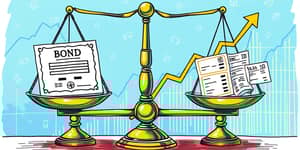
Interest rates govern the heartbeat of global finance, dictating how money flows through economies and financial markets. When central banks adjust their benchmark rates, they send ripples across bonds, stocks, real estate, and savings vehicles. By exploring these mechanisms, investors can gain clarity, harness opportunities, and protect their portfolios against unexpected shifts.
In this article, we unravel the intricate relationship between interest rates and asset performance, offering practical guidance for prudent investors and equipping you with the insights necessary to navigate fluctuating rate environments.
The Role of Central Banks
Central banks, such as the Federal Reserve in the United States, serve as the primary architects of monetary policy. Through tools like the federal funds rate, they influence borrowing costs to achieve mandates of employment, price stability, and sustainable growth.
When inflation accelerates beyond targets, central banks often hike rates to cool spending. Conversely, when unemployment rises or growth stalls, they may cut rates to stimulate borrowing and economic activity. Monitoring statements, meeting minutes, and economic indicators like the Consumer Price Index (CPI) and nonfarm payrolls can offer clues about forthcoming policy moves.
How Rate Changes Influence Asset Classes
Interest rate shifts have varied and profound impacts on different investments. Understanding these effects is essential for building a resilient, diversified portfolio that can weather changing economic tides.
This table encapsulates broad trends. However, within each category, nuances abound. For instance, long-term bonds are more sensitive to rate swings than short-term instruments, and growth-oriented stocks often react more dramatically than value-oriented shares.
Exploring Individual Asset Impacts
Bonds represent fixed-income commitments where the interest rate determines the coupon investors receive. In a rising-rate scenario, the market value of existing bonds falls because newer issues offer better yields. Investors often pivot toward short-duration bonds for reduced sensitivity or adopt inflation-protected securities to preserve purchasing power.
Equities respond differently. Higher rates increase corporate debt servicing costs and can erode profit margins, particularly for companies reliant on leverage or those in interest-rate–sensitive sectors like real estate development. Growth stocks, which depend on future earnings, may suffer more than dividend-paying value stocks.
Savings accounts and certificates of deposit (CDs) become more attractive when rates rise, as banks pass through higher yields to depositors. Yet, even a 1% increase may be offset by inflation rates near 2%, meaning real returns can remain muted.
In the housing market, mortgage rates directly affect affordability. A one-percentage-point increase in a mortgage rate can raise monthly payments by hundreds of dollars, dampening buyer enthusiasm and putting downward pressure on home prices. Conversely, falling rates ignite buyer demand, spurring construction and fueling property appreciation.
Global and Broader Economic Context
Because the U.S. dollar serves as the primary reserve currency, Federal Reserve actions resonate worldwide. Emerging markets denominated in dollars see borrowing costs rise when U.S. rates climb, potentially stressing local economies and prompting capital flight. Currency valuations shift, impacting exporters and importers differently.
High rates may signal economic confidence, offering higher yields for yield-hungry investors. Yet they also carry the risk of slowing growth if borrowing costs become too burdensome. Low rates can ignite expansion but compress returns on traditional fixed-income products, pushing investors toward riskier assets.
Strategies to Navigate Rate Environments
Rather than reacting impulsively to each rate announcement, savvy investors cultivate a long-term perspective, anchored by diversification and strategic timing. Consider these approaches:
- Diversify across asset classes and geographies to balance rate sensitivity.
- Adjust bond exposure by blending short-duration and inflation-protected securities.
- Rotate within equities toward sectors that benefit from the current rate trend.
- Maintain a cash buffer to capitalize on rate shifts and buying opportunities.
- Monitor central bank communications and macroeconomic indicators for early signals.
Key Considerations for Investors
Every investment carries inherent risks. Rising rates may reward savers but penalize borrowers and equity holders. Falling rates can fuel asset bubbles if credit becomes too cheap. To strike an effective balance, remember these points:
- Real returns are what count—factor in inflation when evaluating yields.
- Issuer credit quality matters—high yields may mask default risk.
- Global diversification can mitigate the ripple effects of policy shifts.
By integrating these strategies and staying informed, you can transform interest rate fluctuations from challenges into opportunities. A well-structured portfolio will not only weather the unpredictable cycles of monetary policy but may also flourish as conditions evolve.
Conclusion
Interest rates stand at the crossroads of economic policy and market behavior. Their ebbs and flows impact every corner of finance, from government bonds to everyday home loans. Understanding these dynamics empowers investors to make informed decisions during market turbulence and seize opportunities when rates pivot.
As you refine your investment playbook, remember that knowledge is your greatest asset. Keep a close eye on inflation trends, employment data, and central bank commentary. By doing so, you’ll be poised to adapt swiftly, protect your wealth, and thrive, no matter which direction rates move.
References
- https://www.davidlerner.com/newsroom/article/how-interest-rate-changes-impact-your-investments-and-savings
- https://www.ciro.ca/office-investor/investing-basics/interest-rates-and-how-they-impact-your-finances
- https://investor.vanguard.com/investor-resources-education/article/how-do-interest-rates-work
- https://www.quanloop.com/en/insights/what-high-interest-rates-in-investment-can-mean-for-the-market/
- https://blog-us.inter.co/fed-interest-rates-investment-impact/
- https://www.fnb.co.za/blog/investments/articles/InvestorEducation-20240724v2/?blog=investments&category=Latest&articleName=InvestorEducation-20240724v2
- https://www.invesco.com/us/en/insights/what-is-interest-rate.html