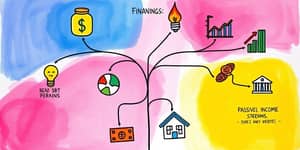
In an era marked by unpredictable markets, rising living costs, and evolving job landscapes, the concept of breaking free from the paycheck-to-paycheck cycle has never been more urgent. For many, financial independence is not merely a lofty aspiration but a strategic pursuit of security, freedom, and purpose.
By understanding proven frameworks, adopting disciplined habits, and navigating economic headwinds, anyone can build a path toward lasting stability and personal fulfillment.
Why Now?
The dawn of 2026 finds 32% of Americans fearing their finances will worsen, while a hopeful 76% believe improvements lie ahead. Skyrocketing inflation—up 25% since 2020—and an aggregate household debt of $18.33 trillion underscore the urgency of action. In this environment, waiting for the perfect moment can mean falling further behind.
Financial independence offers a shield against macroeconomic storms. It allows you to focus on passions, relationships, and personal growth without constant worry over bills and market swings.
Core Strategies to Build Wealth
Achieving true financial independence hinges on a structured approach. The following core strategies serve as a roadmap for transforming income into lasting freedom.
- define personal financial independence: Clarify the annual passive income target that supports your ideal lifestyle. Use the 25× Rule to calculate the nest egg required for 4% sustainable withdrawals.
- distinguish between needs and wants: Track every dollar, categorize expenses, and identify areas to trim. Small, consistent reductions in discretionary spending can unlock significant savings.
- prioritize high-interest debt payoff: Eliminate credit cards and personal loans with the highest rates first. Debt reduction frees up cash flow and accelerates your investment timeline.
- set SMART goals with regular reviews: Break milestones into short-, medium-, and long-term objectives, then review progress quarterly. Adapt plans to life changes, market shifts, and new opportunities.
Combining disciplined budgeting with ongoing assessment ensures your plan remains resilient. Use automated tools for tracking net worth, projecting savings rates, and stress-testing scenarios such as housing costs or healthcare needs.
Diversify Income and Passive Streams
Relying solely on earned income can leave you vulnerable to job loss, burnout, or unexpected expenses. Diversification builds resilience and accelerates wealth accumulation.
- Dividend Stocks and Index Funds: Reinvest distributions for compound growth.
- Real Estate Rentals: Generate consistent cash flow and benefit from property appreciation.
- Peer-to-Peer Lending: Earn interest by funding personal loans on vetted platforms.
- Side Businesses and Freelancing: Turn skills and hobbies into supplemental revenue.
High earners often aim for a 50 to 70 percent savings rate by living below their means and channeling surplus into diversified assets. Entrepreneurs can establish ventures designed to operate independently, achieving true financial freedom.
Common Pitfalls and How to Avoid Them
Even the best-laid plans falter when common traps go unaddressed. Awareness and proactive measures can keep momentum strong.
- impulse purchases derail long-term goals: Implement cooling-off periods before major buys and track impulse spending trends.
- neglecting emergency savings: Aim for three to six months of essential expenses in a liquid account to weather surprises without tapping investments.
- failing to track progress: Without regular check-ins, goals drift and motivation wanes. Schedule monthly reviews to celebrate wins and course-correct.
By anticipating these challenges, you can reinforce healthy habits and maintain a clear path forward.
2026 Trends Shaping Financial Independence
The economic context of 2026 presents both obstacles and opportunities. Understanding generational differences and broader trends can inform your strategy.
Gen Z and Millennials lead in commitment to financial resolutions, with 50–63% actively pursuing goals. In contrast, only 23% of Boomers maintain new money habits. A rising 48% report increased stress from expenses and low income, yet pockets of optimism prevail: 47% immediately implement resolutions, and 44% feel confident about rising income.
Policy shifts such as tariff changes and health insurance reform also influence planning. Staying informed empowers you to adjust tactics and secure advantages like tax-loss harvesting, municipal bond allocations, or strategic charitable contributions.
Taking Action: Tips for the Journey Ahead
Embarking on the road to financial independence requires both mindset and method. Here are practical tips to keep you on track:
1. Build an emergency fund for unexpected expenses before intensifying investments. A safety net prevents derailment during market downturns or personal emergencies.
2. Automate savings and contributions to retirement accounts. Out of sight means out of mind—and steadily growing.
3. Seek guidance from mentors, financial planners, or peer communities. Shared insights can reveal blind spots and spark new ideas.
4. Reinvest passive income streams to harness compound growth. Over time, reinvested earnings can outpace additional contributions.
5. Maintain a flexible mindset. Life circumstances and market conditions evolve—so should your plan. review and adapt financial plans at least twice a year.
Conclusion: Embrace the Path to Freedom
Financial independence is a journey, not a destination. It demands discipline, adaptability, and a vision that extends beyond mere numbers. By setting clear goals, managing expenses with intention, and cultivating diversified income sources, you can unlock a life free from financial constraints.
As you embark on this transformative path, remember that every deliberate choice—no matter how small—brings you one step closer to true freedom. The road ahead may challenge you, but the rewards of autonomy, peace of mind, and purpose are within reach.
References
- https://libertygroupllc.com/blog/financial-independence-vs-financial-freedom-whats-the-difference/
- https://www.bankrate.com/banking/financial-outlook-survey/
- https://www.financestrategists.com/financial-advisor/financial-planning/financial-independence/
- https://401kspecialistmag.com/americans-face-financial-strain-moving-into-2026/
- https://www.epwealth.com/blog/strategies-to-help-achieve-financial-independence-by-40
- https://www.intuit.com/blog/innovative-thinking/2026-financial-forecast-mindful-stress/
- https://www.lakecitybank.com/achieving-financial-independence-strategies-for-success/
- https://www.experian.com/blogs/ask-experian/financial-trends-this-year/
- https://www.td.com/us/en/personal-banking/finance/achieve-financial-independence
- https://www.tcdrs.org/library/7-strategies-for-financial-independence/
- https://www.brookings.edu/articles/economic-issues-to-watch-in-2026/
- https://financialaid.syr.edu/financialliteracy/2022/11/10/november-2022-the-importance-of-financial-independence/
- https://www.investmentnews.com/practice-management/ambitious-but-practical-how-americans-are-setting-their-2026-financial-goals/263679
- https://www.johnsonfinancialgroup.com/resources/blogs/young-professionals/achieving-financial-independence-a-comprehensive-guide/