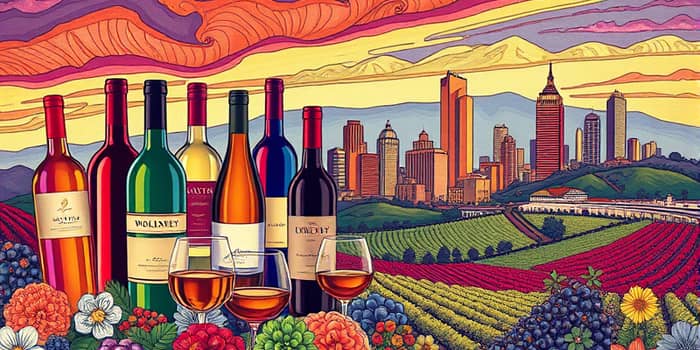
The world of alcoholic beverages has evolved into a dynamic landscape where tradition meets innovation, and luxury intertwines with sustainability. From the rolling vineyards of Europe to the bustling bars of Asia Pacific, wine and spirits represent not only cultural heritage but also unparalleled market expansion opportunities.
As consumer preferences shift and global incomes rise, companies that blend authenticity with cutting-edge strategies are poised to capitalize on soaring demand. In this article, we unpack the market dynamics, highlight key growth drivers, and offer practical insights to help businesses and investors navigate this thriving sector.
Market Dynamics Unveiled
After years of steady growth, the global spirits market is valued at over USD 414 billion in 2024 and is forecast to nearly double by 2032. The wine segment follows suit, set to expand from USD 515 billion today to more than USD 1,080 billion by 2033.
These impressive figures reflect vibrant global growth trajectory that spans geographies, demographics, and product categories. The broader alcoholic beverages market, including beer, will exceed USD 3.8 trillion by 2032, underlining the scale of opportunity.
Seizing Opportunities in Key Regions
Each region offers distinct advantages, shaped by local tastes, regulations, and economic trends. Understanding these nuances is crucial for targeted strategies.
- Asia Pacific: Holding over 42% of the spirits market, driven by rising affluence in China, India, and Japan.
- Europe: Contributing nearly 40% to global wine and spirits growth, with premium wines favored by mature consumers.
- North America: Luxury wine and spirits projected to grow at 7.8% CAGR through 2035, powered by high-end domestic consumption.
- Middle East & Africa: Fastest-growing, fueled by tourism, relaxed policies, and a burgeoning middle class.
Product Innovation and Premiumization
In an industry steeped in heritage, product differentiation is key. Brands that invest in unique aging techniques, artisanal production, and diverse flavor profiles are capturing consumer imagination.
Whiskies remain the largest category, with single malts and blended varieties leading the charge. Sparkling wines, meanwhile, boast the fastest growth rates, appealing to younger audiences seeking celebratory experiences.
- Whiskies: 26% market share, boosted by premium labels like Glenfiddich and Macallan.
- Sparkling Wines: Projected 9.1% CAGR through 2033, driven by Prosecco, Champagne, and Cava.
- Craft Spirits: Organic and small-batch offerings that cater to health-conscious consumers.
- Flavored Varieties: Infused vodkas and gins meeting the cocktail-culture boom.
By embracing premiumization trends driving demand, companies can command higher price points and build lasting brand loyalty.
Sustainability and Technological Innovation
Environmental stewardship and digital transformation are no longer optional. Consumers are increasingly drawn to labels that guarantee eco-friendly farming, water conservation, and carbon neutrality.
Leading producers harness solar-powered distilleries, recyclable packaging, and blockchain-verified supply chains to offer sustainable production practices that resonate with ethically minded buyers. Meanwhile, technology—from precision viticulture drones to AI-driven market analytics—enables stakeholders to optimize quality and forecasting.
Consumer Demographics and Trends
Understanding who drinks what, where, and why is fundamental to building targeted campaigns and product lines.
- Gender Dynamics: Men account for around 60% of spirit consumption, with high-volume categories like rum and whiskey leading.
- Age Factors: Younger drinkers favor lower-alcohol, celebratory options like sparkling wine; older cohorts gravitate toward premium, aged offerings.
- Socioeconomic Segments: Affluent consumers drive premium wine and spirits sales, while emerging middle classes in Asia and Africa fuel volume growth.
This demographic mosaic underlines the need for unprecedented digital accessibility via e-commerce, social media storytelling, and virtual tastings.
Navigating Challenges and Embracing Opportunities
No industry grows without friction. Regulatory complexities, supply chain disruptions, and evolving health guidelines pose ongoing hurdles. Yet, challenges breed innovation.
Brands that proactively engage with policymakers, diversify sourcing networks, and emphasize moderation and responsible drinking can turn headwinds into competitive advantage.
Furthermore, the surge in direct-to-consumer platforms allows smaller producers to reach global audiences without traditional retail constraints, exemplifying agile market adaptation strategies.
Growth Projections at a Glance
Conclusion: Pouring Profits with Purpose
The wine and spirits industry stands at a crossroads of tradition and transformation. By honoring heritage, championing innovation, and prioritizing sustainability, stakeholders can unlock unparalleled growth.
Whether you are a seasoned vintner, a craft distiller, or an investor seeking unique assets, the keys to success lie in understanding evolving consumer values and leveraging cutting-edge market insights to craft offerings that resonate on a global stage.
Now is the moment to raise a glass to opportunity—transforming time-honored passions into enduring profitability and making a lasting impact on the world’s most storied libations.
References
- https://www.persistencemarketresearch.com/market-research/spirits-market.asp
- https://www.technavio.com/report/wine-and-spirits-market-analysis
- https://www.grandviewresearch.com/industry-analysis/wine-market
- https://www.marketresearchfuture.com/reports/north-america-luxury-wines-and-spirits-market-46447
- https://www.stellarmr.com/report/Spirits-Market/1818
- https://clarkstonconsulting.com/insights/2025-wine-spirits-and-beer-industry-trends/
- https://www.fortunebusinessinsights.com/alcoholic-beverages-market-107439
- https://www.statista.com/outlook/cmo/alcoholic-drinks/spirits/united-states