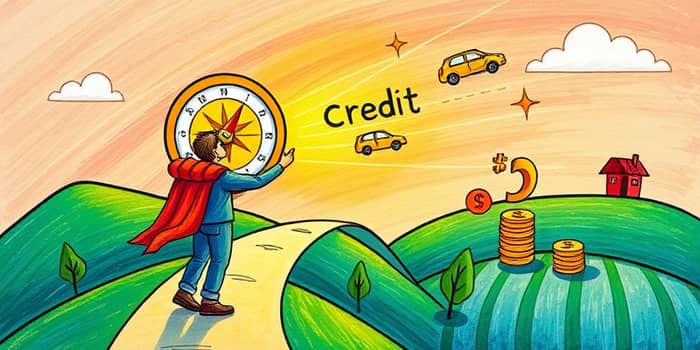
In the vast world of personal finance, your credit score is more than just a number.
It is a powerful three-digit tool that can shape your financial destiny in profound ways.
Think of it as a personal financial GPS, guiding you towards opportunities while warning of potential pitfalls along the way.
This score ranges from 300 to 850, with higher numbers signaling better creditworthiness to lenders and others.
Understanding this system is essential for unlocking benefits like lower interest rates and improved loan terms.
Let's explore how this financial beacon works and how you can harness its power for a brighter future.
What Is a Credit Score?
A credit score is a numerical representation of your credit risk, derived from data in your credit reports.
These reports are maintained by three major bureaus: Experian, Equifax, and TransUnion.
Models like FICO and VantageScore process this data to generate your score, acting as a predictor of your repayment behavior.
It serves as a key financial indicator that influences many aspects of daily life beyond borrowing money.
By treating it like a GPS, you can navigate financial decisions with greater confidence and clarity.
Understanding the Score Ranges
Credit scores are categorized to help interpret their meaning and impact.
Here are the standard ranges that define your credit standing:
- Poor: Below 580 – Access to credit is limited, and interest rates are typically high.
- Fair: 580-669 – Some credit options are available, but costs may be elevated.
- Good: 670-739 – Better terms and more opportunities become accessible.
- Very Good: 740-799 – You can qualify for favorable rates on loans and credit cards.
- Excellent: 800+ – This tier offers the best rates and premium financial products.
Aiming for a higher score can save you thousands of dollars over time, making it a worthwhile goal.
How Your Credit Score Is Calculated
The calculation of your credit score involves several weighted factors, often depicted as a pie chart.
These factors determine your overall risk profile and creditworthiness.
Here's a breakdown of the key components:
- Payment History (35%): This is the most critical factor. On-time payments boost your score, while late payments or defaults can cause significant drops.
- Amounts Owed (30%): Also known as credit utilization, this measures how much of your available credit you're using. Keeping it under 30% is advisable for a healthy score.
- Length of Credit History (15%): The age of your accounts matters. Older accounts contribute positively to your score by demonstrating long-term reliability.
- New Credit (10%): Opening several new accounts in a short period can signal risk and lower your score, so it's best to apply sparingly.
- Credit Mix (10%): Having a variety of credit types, such as credit cards, loans, and mortgages, can be beneficial for showing responsible management.
These weights can vary based on individual circumstances, but they provide a general framework for understanding your score.
Real-World Impacts Beyond Loans
Your credit score influences many areas of daily life, extending far beyond traditional borrowing.
Here are some key impacts that highlight its importance:
- Loans and Mortgages: A high score can lead to approval with lower interest rates, saving you money on large purchases like homes or cars.
- Rentals: Landlords often check credit scores to assess reliability before leasing, affecting your housing options.
- Insurance: Good credit can result in lower premiums for auto, home, and renters insurance, as insurers use credit-based scores.
- Employment: Some employers, especially in finance or government, may review credit scores during hiring to evaluate trustworthiness.
- Utilities: A good score might help you avoid security deposits when setting up services like electricity or internet.
It's a comprehensive financial tool that can open or close doors in various aspects of life.
Key Numbers at a Glance
To better understand credit scores, here's a table summarizing essential data and their implications:
This table highlights the critical elements that define your credit journey and potential savings.
Debunking Common Myths
There are several misconceptions about credit scores that can lead to poor financial decisions.
Let's clarify a few to help you manage your credit more effectively:
- Myth: Score reflects income. In reality, it only considers credit-related data, not your salary or savings.
- Myth: Checking hurts score. Soft inquiries, like personal checks, do not affect your score, so monitor freely.
- Myth: Need balance to build. Paying off balances in full each month is actually beneficial for your score.
- Myth: All scores same. Different models like FICO and VantageScore can produce varying numbers.
- Myth: High score means no debt. You can have a high score with significant debt if managed well.
Understanding these truths empowers you to take control of your financial narrative.
Practical Tips to Boost Your Credit
Improving your credit score is a gradual process, but with consistency, you can see positive changes.
Here are actionable steps to help you on this journey:
- Pay Bills on Time: Set up reminders or automatic payments to avoid late payments, the top factor in your score.
- Reduce Credit Utilization: Aim to use less than 30% of your available credit limits to show responsible borrowing.
- Build a Long Credit History: Keep old accounts open and active when possible to demonstrate stability.
- Limit New Credit Applications: Only apply for new credit when necessary to avoid multiple inquiries that can lower your score.
- Diversify Your Credit Mix: Consider having different types of credit accounts to show versatility in management.
- Monitor Your Credit Reports: Regularly check for errors and dispute inaccuracies to maintain an accurate score.
These practices can lead to a healthier financial profile over time, enhancing your opportunities.
Understanding Variations and Access
Credit scores can vary based on the scoring model used, with FICO being the most common and VantageScore also widely adopted.
Additionally, industry-specific scores, like insurance scores, may differ from general credit scores, so it's important to be aware of these nuances.
To access your credit score, you can use free services like annualcreditreport.com for reports, and many lenders or services like myFICO provide scores for monitoring.
Staying informed is the first step towards mastery, allowing you to make proactive financial decisions.
Your credit score is not just a number; it's a dynamic part of your financial identity that requires attention and care.
By understanding its mechanics and impacts, you can take control and steer towards a brighter financial future.
Start today by checking your score, implementing positive habits, and using this knowledge as your guide to success.
Embrace the journey, and let your credit score be the GPS that leads you to financial freedom and stability.
References
- https://www.myfico.com/credit-education/whats-in-your-credit-score
- https://www.chevronfcu.org/articles/post/chevron-blog-posts/2024/03/01/beyond-numbers-the-impact-of-your-credit-score-on-everyday-life
- https://mycreditunion.gov/manage-your-money/credit/credit-scores
- https://www.yourmoneyline.com/blog/how-can-your-credit-score-impact-your-financial-well-being
- https://www.esl.org/resources-tools/educational-resources/what-is-a-credit-score
- https://drbank.com/whats-new/your-credit-score-and-its-impact-on-your-personal-financial-goals/
- https://www.consumerfinance.gov/ask-cfpb/what-is-a-credit-score-en-315/
- https://www.principal.com/individuals/learn/what-credit-score-and-how-do-you-improve-yours
- https://consumer.ftc.gov/credit-scores
- https://nul.org/blog/your-credit-why-credit-reports-and-scores-matter-your-financial-health
- https://www.cnb.com/personal-banking/insights/credit-scores-explained.html
- https://financialaid.berkeley.edu/center-for-financial-wellness/financial-literacy-hub/understanding-credit/
- https://www.experian.com/blogs/ask-experian/credit-education/score-basics/what-affects-your-credit-scores/
- https://student.worldcampus.psu.edu/blog/financial-literacy-credit-score-basics
- https://www.synovus.com/personal/resource-center/managing-your-finances/credit-score-numbers-explained/